


Laâyoune, Morocco
Capital of the Sands · Sahrawi Culture & Atlantic Breezes
Desert Hub
The largest city in the South, serving as a political, economic, and cultural bridge between the Sahara and the rest of the world.
Sahrawi Identity
Home to the Hassani culture, famous for its unique three-cup tea ceremony, colorful Melhfas, and desert poetry.
Urban Oasis
Known for its wide boulevards, monumental fountains, and the iconic "Oum Saad" square that lights up at night.
🏙️ Architecture & History
Founded by the Spanish in 1938 along the Saguia el-Hamra riverbed, Laâyoune has grown into a bustling metropolis. The city architecture is a mix of the old "Colline aux Oiseaux" (Bird Hill) Spanish buildings with their distinctive domes and modern, grand Moroccan plazas. It is a city designed to withstand the desert heat, with buildings often painted in warm ochre and terracotta tones to match the surrounding sands.

🕌 Place Mechouar
A massive, beautifully designed square that serves as the city's ceremonial heart. Surrounded by intricate architecture and illuminated by grand fountains, it is the gathering spot for families during the cooler evening hours. It represents the modern face of the Sahara.
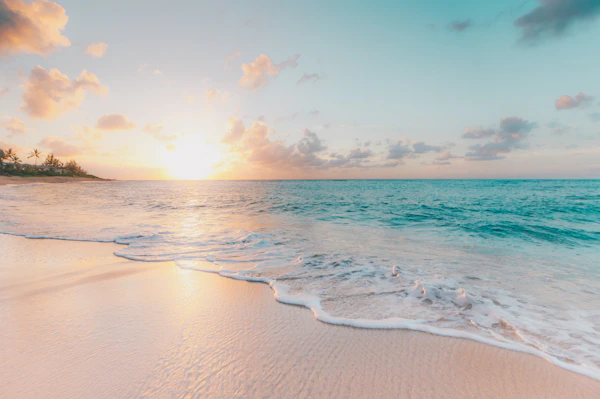
🏖️ Foum El Oued Beach
Located 20km from the city, this is the seaside resort of Laâyoune. It is famous for the stunning contrast between the white sand dunes and the deep blue Atlantic waves. It’s a popular spot for surfing, beach soccer, and enjoying fresh grilled fish at the local stalls.
🕍 The Spanish Cathedral (Saint Francis of Assisi)
A relic of the Spanish era, this white, domed cathedral stands as a testament to the city's diverse history. Located in the old Spanish quarter, it remains a landmark of the religious and cultural history of the mid-20th century Saharan administration.


🏗️ The Phosboucraa Conveyor Belt
A true engineering marvel, this is the world's longest conveyor belt (nearly 100km long), transporting phosphates from the Bou Craa mines directly to the port at El Marsa. It is a visible symbol of the region's vast natural wealth and industrial importance.
🍽️ Gastronomy · Sahrawi Flavors
Eating in Laâyoune is a cultural experience. Camel Meat is the specialty, often served as a slow-cooked tagine or grilled. Don't miss Tidgit (a traditional dish) and the omnipresent Sahrawi Tea, which is prepared with three distinct glasses: the first bitter like life, the second strong like love, and the third sweet like death. Seafood from the port of El Marsa is also exceptionally fresh.
🗺️ Explore Laâyoune — Map
📍 Laâyoune — Between the Saguia el-Hamra and the Atlantic coast
✨ Detailed Insights & Fun Facts
- 💦 The name "Laâyoune" means "The Water Springs" in Hassaniya Arabic.
- 🏗️ It was the capital of the former Spanish Sahara.
- ⚽ It boasts some of the best sports facilities in Morocco, including the huge Sheikh Mohamed Laghdaf Stadium.
- 🐪 Camel milk is a staple here, known for its high nutritional value.
- 🧣 Men traditionally wear the "Dara’a" (loose robe) and women the "Melhfa" (colorful wrap).
- 🐦 The nearby Saguia el-Hamra wetland is a vital stop for migratory birds like flamingos.
✈️ Travel Tips
Best Time
October to April is ideal. The weather is warm during the day and pleasantly cool at night. Summer can be very windy (Alizee winds).
Getting There
Hassan I Airport has daily flights to Casablanca and the Canary Islands. Long-haul buses (CTM/Supratours) connect to Agadir and Marrakesh.
Stay & Dress
Modern luxury hotels are available. Dress conservatively in the city, but light fabrics are essential for the desert heat.
🌟 Local Wisdom: Sahrawi hospitality is legendary—if you are offered tea, it is polite to accept at least the first glass. The desert sun is intense even when it's breezy; always use high-factor sunscreen. Explore the dunes with a 4x4 guide to truly appreciate the silence and scale of the Sahara.
🇲🇦 Laâyoune — Where the majesty of the desert dunes meets the endless horizon of the Atlantic.